

A strategic resource for Reunion Island’s energy autonomy, biomass involves a wide range of stakeholders and sectors on the island. Énergies Réunion supports the Réunion Region in structuring and developing these sectors, in line with the guidelines of the Regional Biomass Plan (SRB) and the Multiannual Energy Programme (PPE).
A local resource at the heart of the energy transition
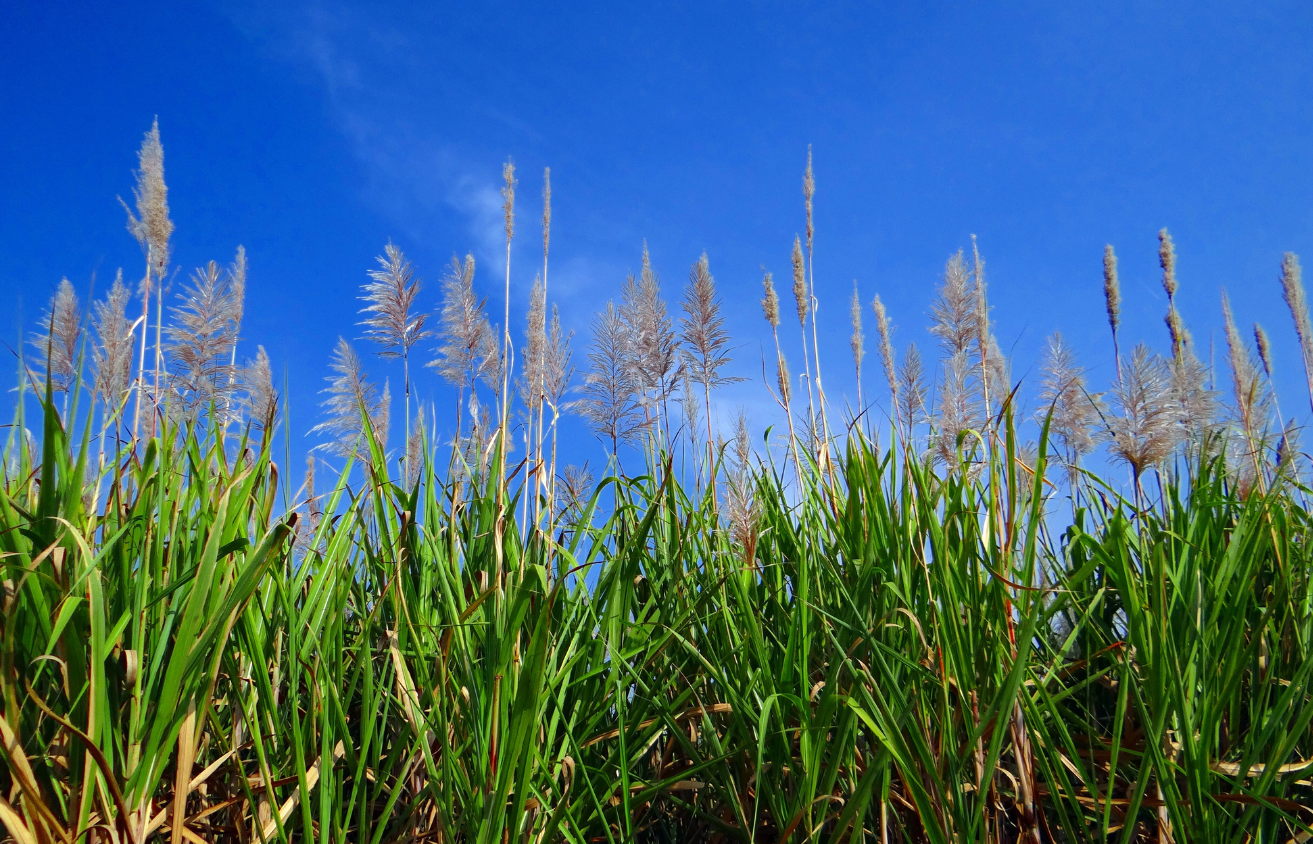
Under French law, biomass refers to the biodegradable fraction of products, waste and residues of biological origin from agriculture, forestry, fishing and aquaculture, as well as industrial and municipal waste. In Reunion Island, this resource stands out for its great diversity: livestock effluents and crop residues, sugar cane bagasse, distillery vinasse, biowaste, green waste and sewage sludge.
These resources offer a variety of uses: animal feed, return to the soil after composting, building materials, anaerobic digestion to produce biogas, or fuel. In line with the principle of the hierarchy of biomass uses, food, agronomic and material uses are given priority, with energy recovery primarily using surpluses or resources with no other use.
The Regional Biomass Plan, the strategic framework for mobilising resources
Defined by the Environmental Code, the Regional Biomass Plan is drawn up jointly by the State and the Réunion Region. It sets the objectives for mobilising local biomass with a view to moving towards the island’s energy autonomy. The SRB is built around an inventory of existing resources and sectors, and a guidance document setting out the quantitative objectives and the associated action plan.
A first SRB was published for the 2018-2023 period. Its review, launched at the end of 2023, is led by the Réunion Region, the State services (SGAR, DEAL, DAAF), ADEME, the Departmental Council of Reunion Island, the Chamber of Agriculture, the Chamber of Trades and Crafts and the Chamber of Commerce and Industry. It is due to be finalised in 2025 for publication in 2026.
Énergies Réunion, the Region’s operational partner
The Réunion Region has entrusted Énergies Réunion with a mission to support the development of biomass energy sectors. In this capacity, our teams work on several complementary strands, directly supporting the guidelines of the SRB and the PPE.
Operational structuring of local supply chains. We support the structuring of the supply chains intended in particular to supply the Albioma Bois Rouge thermal power plant. The work focuses primarily on pallet wood and wood from public forest areas, with a view to extending it to shredded green waste and forest wood from private land.
Strengthening the Biomass Observatory. To meet the needs expressed by local stakeholders for knowledge and updated resource data, Énergies Réunion is consolidating the Biomass Observatory. This work is accompanied by a gradual extension of the scope to imported biomass, and the inclusion of economic and environmental criteria in the analysis of supply chains.
Support for the anaerobic digestion sector. We support the progress of ongoing projects and are launching new discussions in light of the obligation to sort biowaste that came into force in 2024, which concerns households, local authorities and industry alike.
Coordinating and supporting stakeholders. Énergies Réunion coordinates the island’s stakeholders (economic players, researchers and local authorities), notably through the consultation workshops and feedback meetings organised for the SRB review.
Assessment and evaluation of the SRB. As the previous plan was drafted in 2017, our teams are helping to assess and evaluate past guidelines, in order to inform strategic adjustments and make it easier for supply chain partners to take ownership of them.
A mission serving the island’s energy autonomy
Through this support, Énergies Réunion puts its technical expertise at the service of the Réunion Region to make biomass a real lever for Reunion Island’s energy transition. By contributing to the structuring of local supply chains, improving knowledge of resources and coordinating local stakeholders, our teams are actively contributing to the trajectory set by the PPE: achieving a 100% renewable electricity mix and raising the share of renewable energy in final energy consumption to 42%.
This mission is fully in line with Énergies Réunion’s purpose: supporting its shareholder local authorities in building a sustainable energy model, rooted in the island’s resources and specific features.