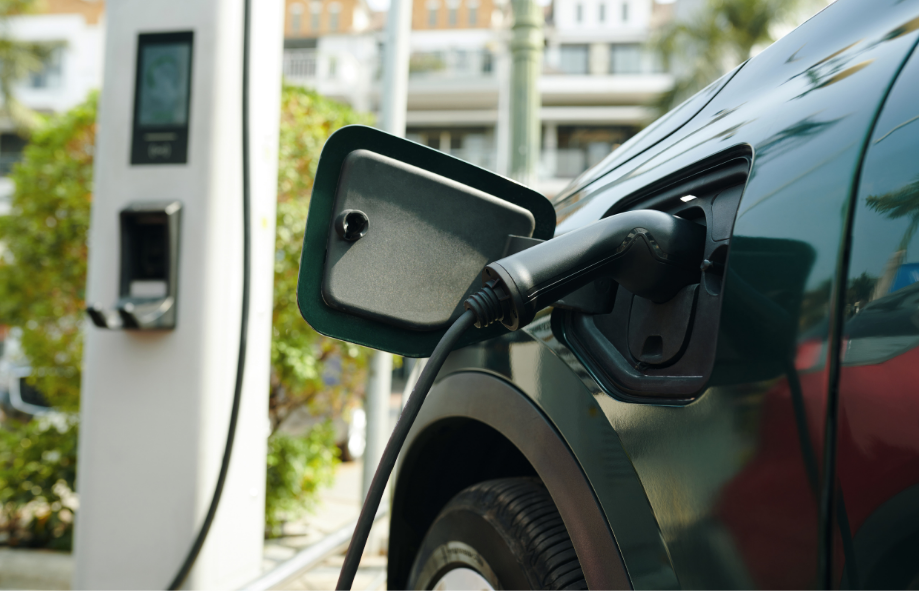
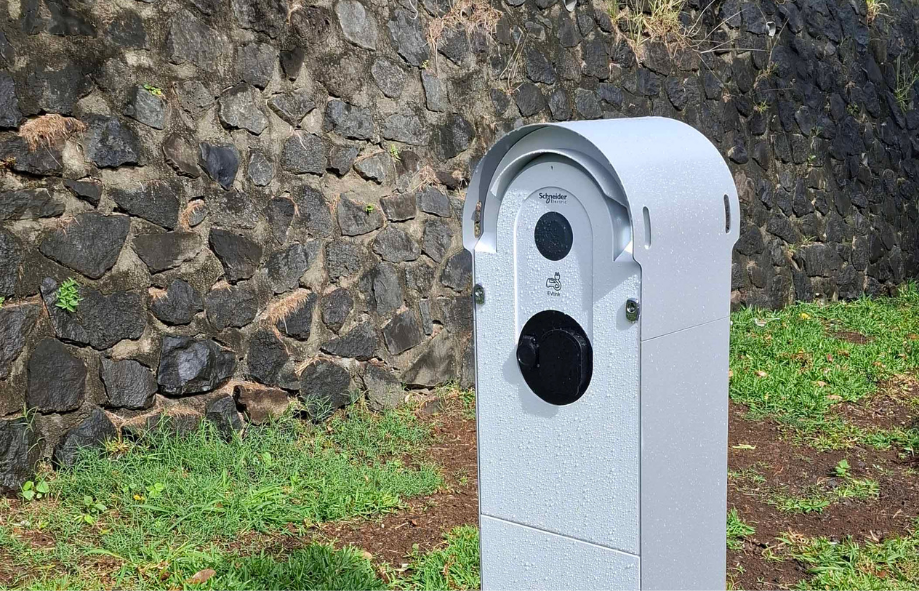
As electric mobility develops in Reunion Island, a key question arises: what energy is actually used to charge these vehicles? The environmental benefit of an electric vehicle depends directly on…
In Reunion Island, the development of electric mobility is a major lever of the energy transition. But vehicle charging still needs to rely on cheap and truly low-carbon energy. This…
A strategic resource for Reunion Island’s energy autonomy, biomass involves a wide range of stakeholders and sectors on the island. Énergies Réunion supports the Réunion Region in structuring and developing…
To better understand the development of marine renewable energy in Reunion Island, a Regional Marine Energy Plan (SREMER) was drawn up in 2018, updating the first document produced in 2009…
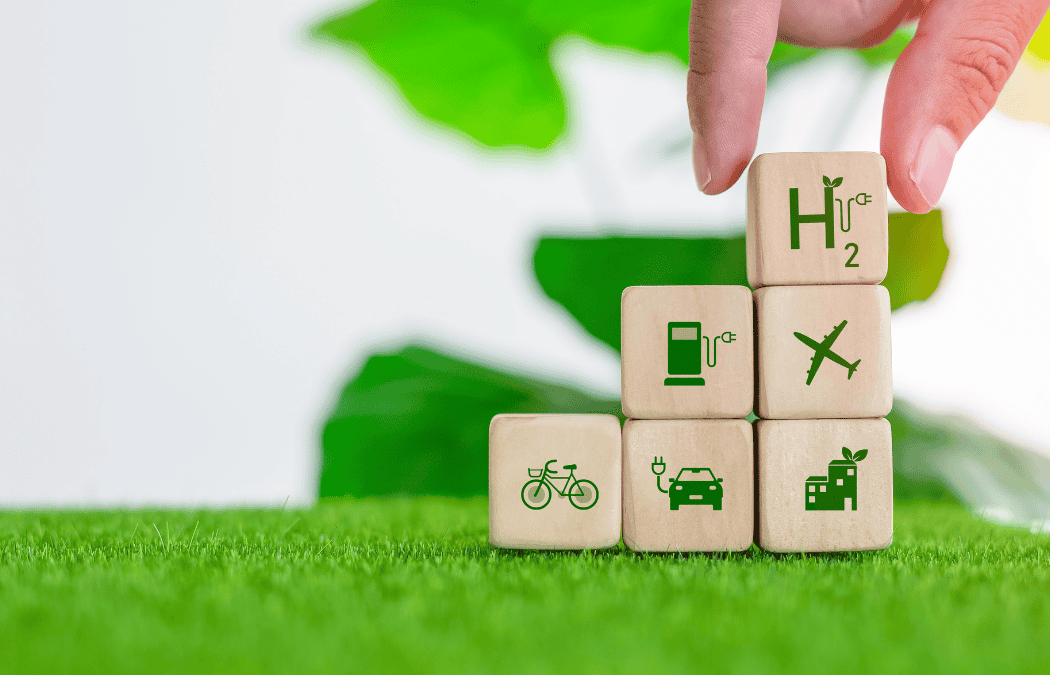
Énergies Réunion, in partnership with the Réunion Region, is publishing the 2024 update of the status report on the prospects for hydrogen development on the island. Available to download, this…
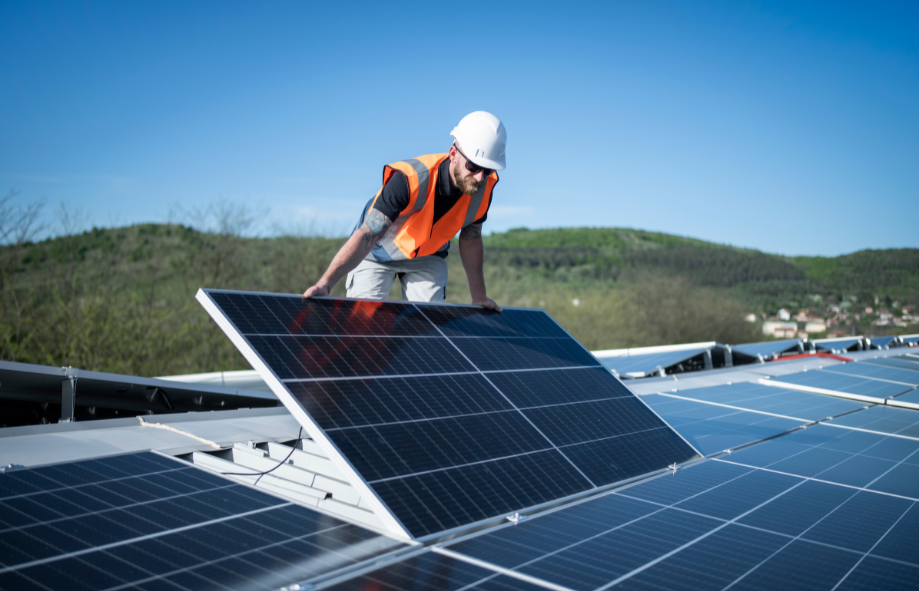
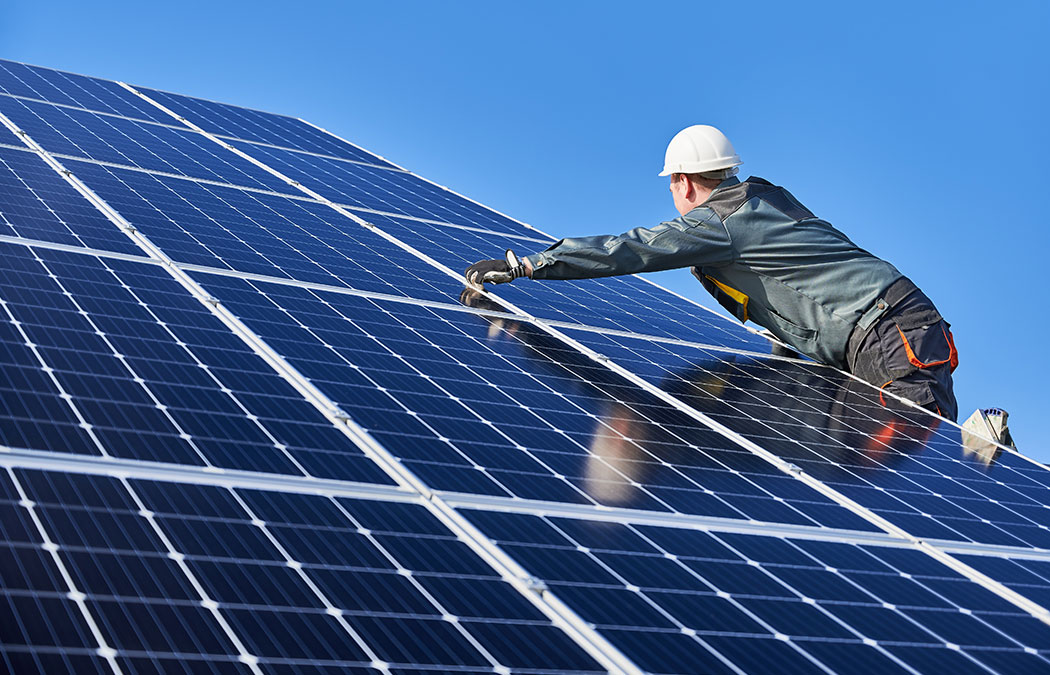
As part of the implementation of the Multiannual Energy Programme (PPE), co-developed by the Réunion Region and the State, the Réunion Region has set up the “Kap'Photovoltaïque” scheme with Énergies…
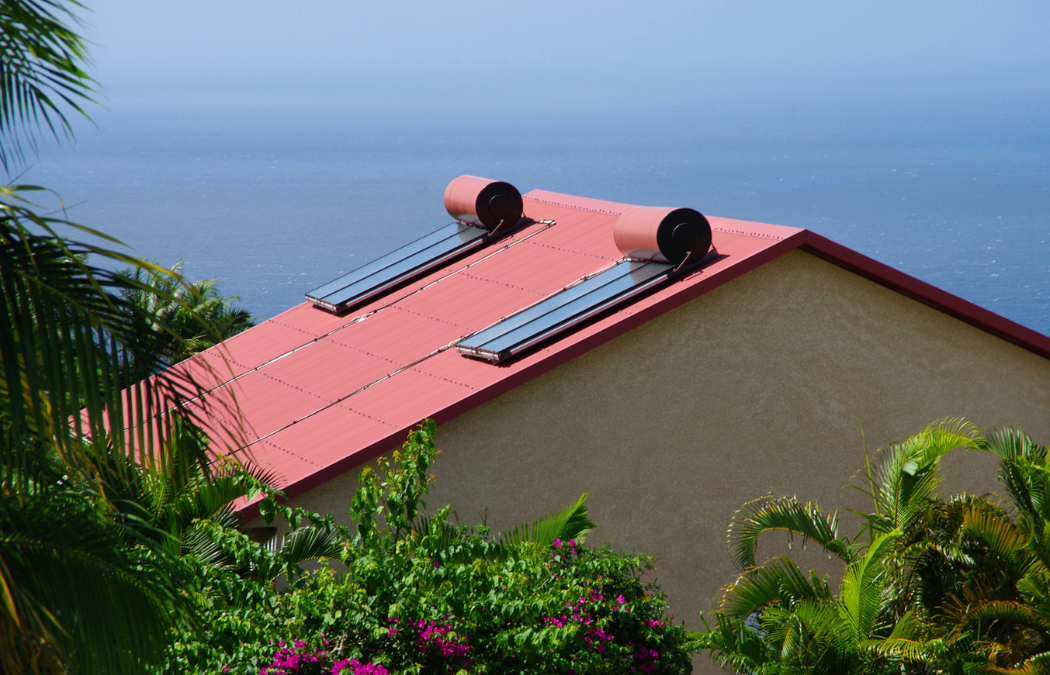
As part of the ERDF 2021-2027 European Operational Programme, the Réunion Region, in partnership with the State, EDF, ADEME and Energies Réunion, supports the installation of solar water heaters in…
KAP’Photovoltaïque: financial support for self-consumption solar PV installations in private homes KAP’Photovoltaïque is financial support from the Réunion Region and the European Union for any homeowner who wishes to equip…
The Bras des Lianes micro hydropower plant, owned by the Réunion Region and located in the uplands of Bras-Panon, was commissioned in 1992 and installed on a drinking water supply…